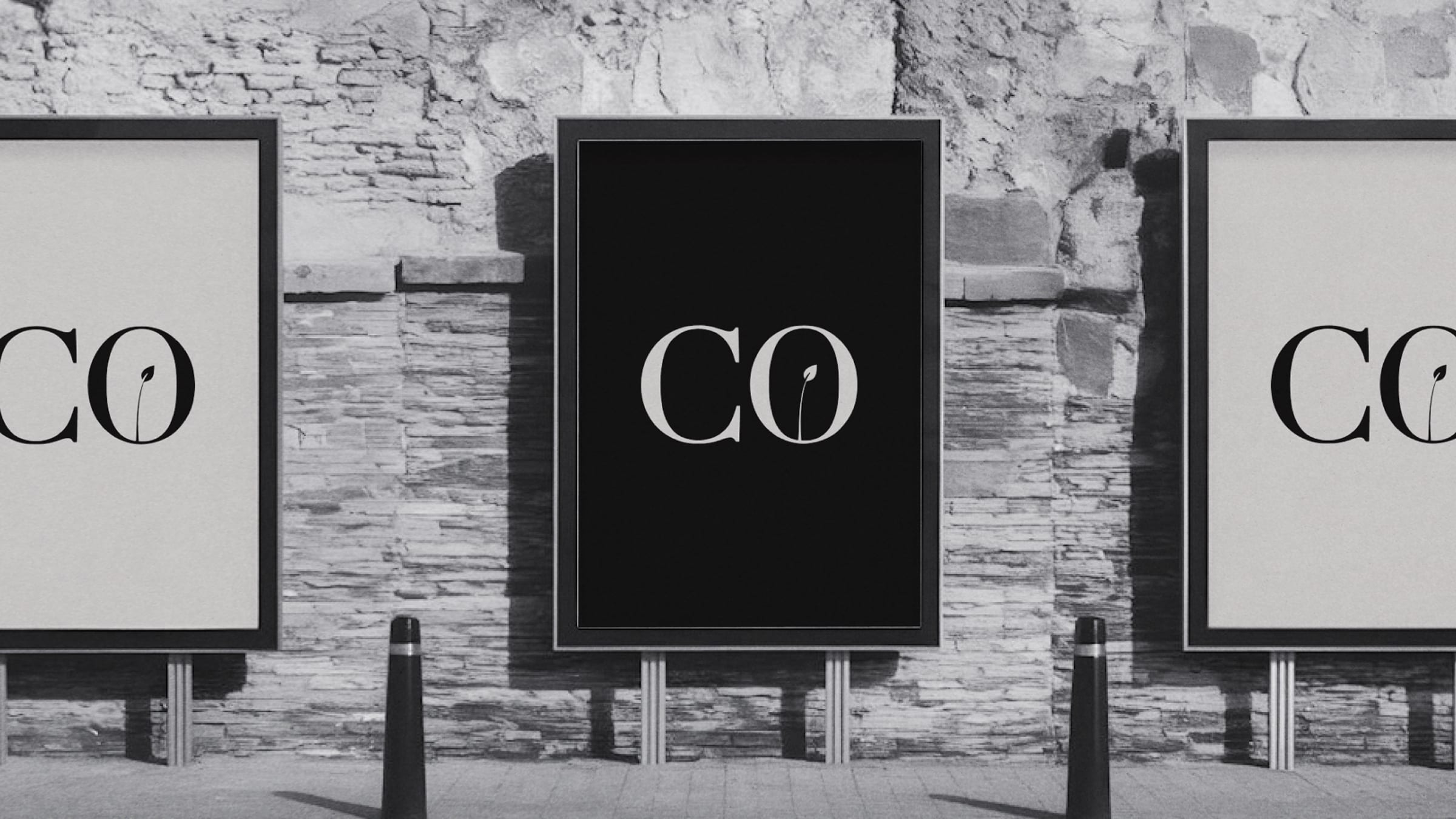
Chef's Origin Branding, premium food & beverage
Chef's Origin
Full visual identity for a premium microgreens brand sold to chefs, deployed seamlessly across packaging, digital and print surfaces
View case studyEvery line of code follows a decision. Every pixel follows an intent. Our job: build a clear, engaging product experience that keeps users invested.
Framing, prototypes, visual identity. We decide before we build, so what ships solves the right problem, not the loudest one.
A product that works starts with deep research and a shared vision. Our framing workshops gather leadership and product teams to clearly define the value proposition. We then run market and competitor analysis to map what already exists and position your product as a genuine differentiator.
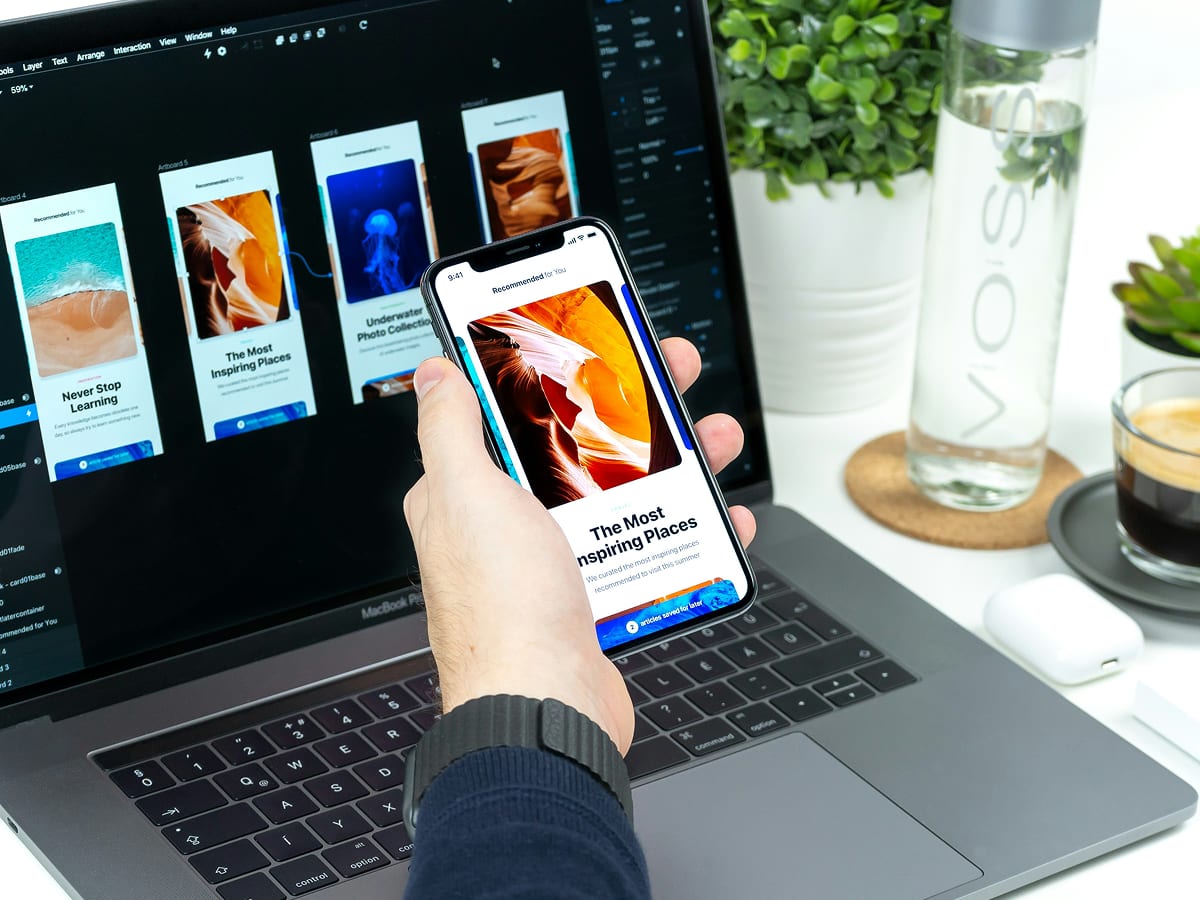
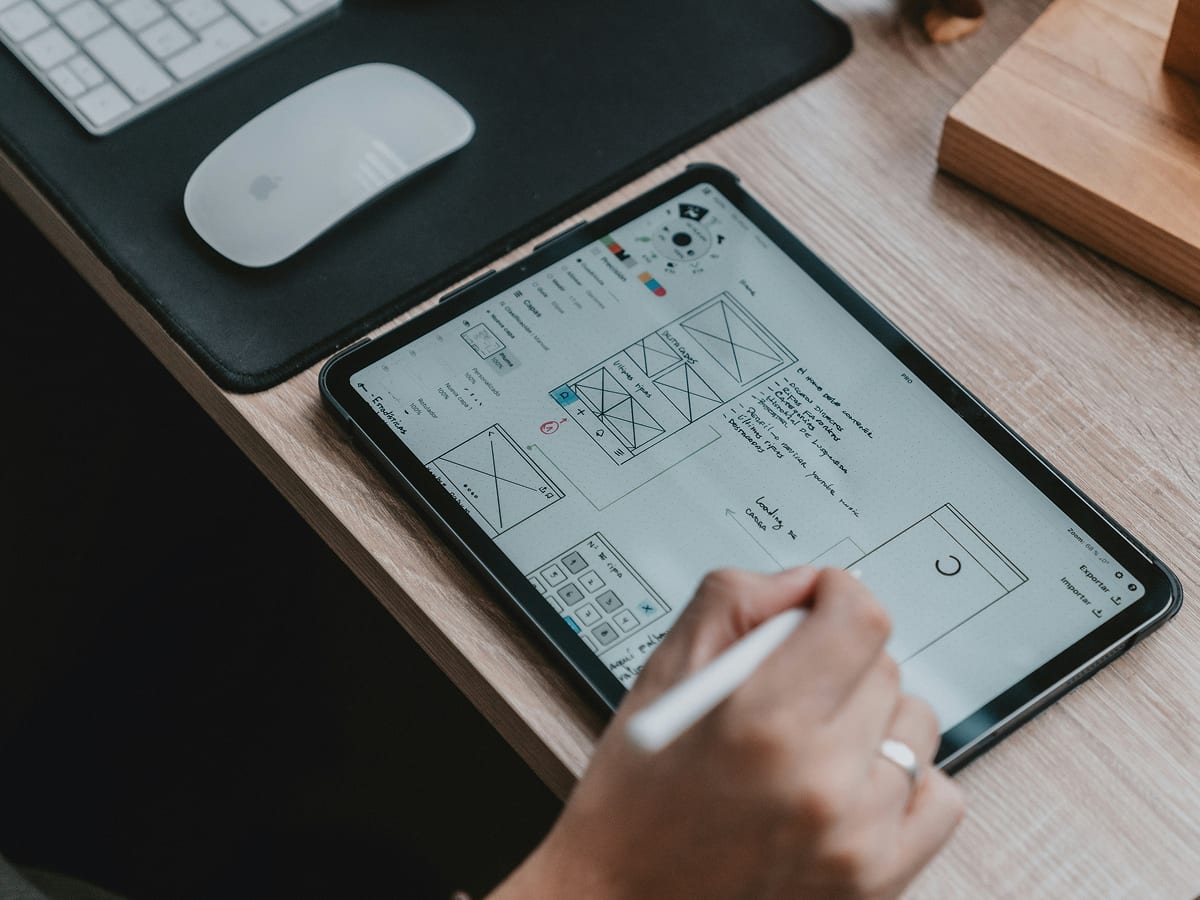
A fluid user experience starts with a precise understanding of user needs and behaviour. To turn ideas into outcomes, a structured approach is essential, from wireframe to design system. We turn complex concepts into experiences that are simple, functional, and built to drive action.
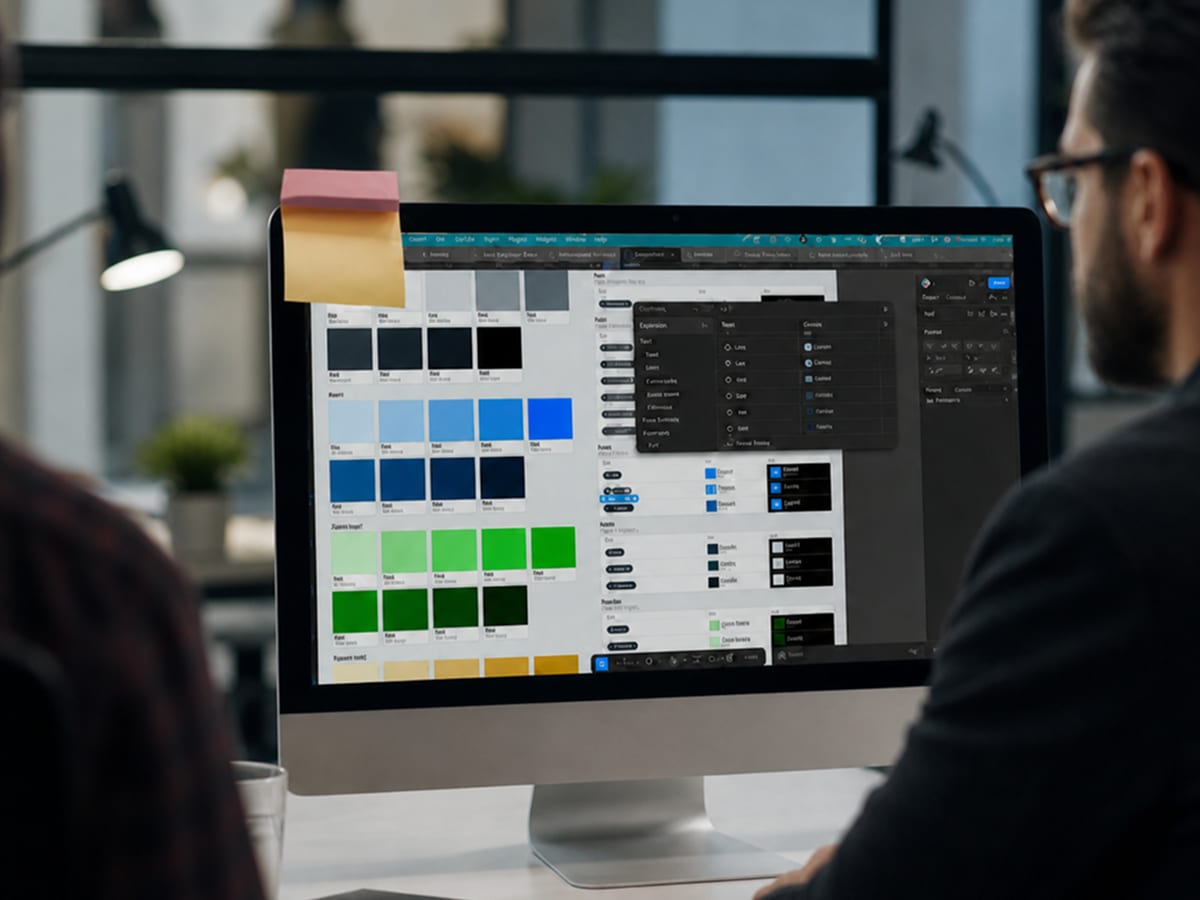
A visual identity isn't a coat of paint, it's a system. It aligns the team, sharpens positioning, and structures how the product is perceived. We build brands designed to last: shaped to evolve without losing coherence. From naming to typography, every element is defined precisely so execution stays fast, autonomous, and consistent across every surface.
Brand collateral translates the visual identity into concrete usage. From business cards to social-media templates, it ensures a coherent presence at every touchpoint. We design assets that are structured and easy to pick up, so teams can produce on-brand content quickly, without dependency on the studio.
A scoping phase usually lasts 2 to 4 weeks, depending on the maturity of the initial brief and the number of workshops needed. It ends with a written scoping note, prioritised wireframes and a costed product roadmap.
Yes. Every design system delivery includes up-to-date Figma documentation with components, variants, colour, typography and spacing tokens, and usage rules. The goal is for an in-house team to operate it without studio dependency.
Yes. The studio supports naming, the typographic system, palette, logo and ready-to-deploy assets (cards, social templates, slides). Identity is designed as an evolving system, not a frozen guideline.
The workshop brings together leadership and product teams to clarify the value proposition, identify critical assumptions and prioritise features. The typical format is one to two days on site or remote, followed by a written note.
Yes. Before any development, Movira produces clickable Figma prototypes to test key user journeys with real users or stakeholders. This step reduces iteration costs in production.
Let's dive in together, diagnosis within 48 business hours.